
The Unreliable Chain of Conspiracy
Foucault's PendulumPolitical and occult groups repeatedly accuse one another of the same secret plan, revealing a self-reproducing pattern that the protagonists mistake for proof.
increasing Bearing strength in each event
 decreasing
Bearing strength in each eventdecreasingConflicting Accusations

Synarchy Changes Sides
A shifting enemy
De Angelis finds synarchy described as a leftist, rightist, Jesuit, Jewish, and technocratic plot. Each account assigns the same hidden power to a different opponent.
An apparent system
Casaubon sees that contradictory accusations may serve political needs rather than document one organization. He nevertheless adds the pattern to his growing archive.
The Protocols Reappear

A Forged Blueprint
Recycled material
The characters trace the Protocols of the Elders of Zion to earlier anti-Jesuit and political texts. The supposed plan migrates from one alleged conspirator to another.
A story that copies itself
Each retelling makes accusation look like confirmation. The archive's repetition creates the illusion of an unbroken secret tradition.
The Plan Becomes Real
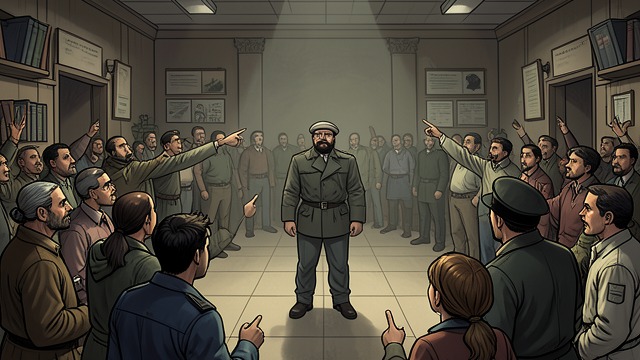
A Fiction with Followers
Belief supplies action
The invented Plan attracts people who use it to organize their existing fears and ambitions. Their actions give the fiction effects that its authors did not intend.
No stable author
Casaubon recognizes that no single group controls the whole story. The conspiracy endures because every faction can reuse its structure against another.
From the early twentieth-century research
During the group's historical reconstruction
Near the end of the novel
